
At Inside Out, we specialize in delivering efficient and effective irrigation services tailored to the unique water requirements of properties throughout Butte County, including the Chico area and surrounding communities. Whether installing a new sprinkler system, repairing damaged sprinkler heads, or upgrading to smart controls that optimize spray patterns and conserve water, our team ensures your lawn and garden stay properly hydrated all year long. With years of hands-on experience and deep knowledge of local landscaping needs, we help home and business owners maintain beautiful, healthy landscapes—while saving time, water, and money.
Across Butte County commercial properties—from office parks to retail storefronts—reliable irrigation keeps landscapes healthy and business curb appeal high. Our experienced team designs and installs customized sprinkler systems, updates spray nozzles for optimal coverage, and sets water-efficient smart controls to regulate schedules.
Efficient maintenance is key: routine checks ensure water pressure stays within spec, leaks get repaired fast, and seasonal adjustments prevent water waste & drought stress.
Home and business owners throughout Butte County, including the Chico area, turn to Inside Out for irrigation solutions designed specifically for our region’s soil, plant life, and weather patterns. Every system—whether sprinkler or drip-based—is installed with an eye toward reliability, efficiency, and long-term performance, backed by certified technicians who truly understand water-smart landscapes.
Our licensed team installs and services only top-tier components—smart controllers, high-efficiency sprinkler heads, drip irrigation—ensuring reliable operation and minimal maintenance needs.
Prompt repair service for leaks, clogged nozzles, pressure issues, or damaged sprinkler heads. Seasonal winterization and spring start-ups help avoid costly breakdowns and wasted water.
Homeowners throughout the Chico area and nearby Butte County communities trust our team to deliver water-smart irrigation systems that keep lawns and gardens properly hydrated while conserving resources. Whether installing a full sprinkler system, converting to drip irrigation, or upgrading with smart controls to manage spray patterns and water schedules, we enhance curb appeal and reduce water use.
Routine maintenance protects systems from leaks and uneven watering, ensuring optimal water pressure and plant health. From start to finish—design, install, adjust, and monitor—our residential irrigation services are handled with precision and care.
Upgrading or installing an irrigation system doesn’t need to be complicated. From the initial site inspection to seasonal tune-ups, this streamlined process ensures efficient water use, reliable performance, and a landscape that stays healthy year-round.
A certified technician evaluates your property—measuring water pressure, soil type, and plant water requirements. Based on zoning and irrigation needs (sprinkler system vs. drip irrigation), a detailed design plan is created featuring optimal spray patterns, drip emitters, and valve placement.
Our team trench and install pipes, valves, sprinkler heads, or drip lines according to the design. They connect to the main water supply, install shut-off valves and backflow preventers, and calibrate water pressure.
Once installed, the system undergoes a full test: each zone runs to ensure correct spray coverage, even water pressure, and leak-free operation. Technicians flush lines, adjust nozzles, and validate controller settings. This final check ensures proper hydration and maximizes system efficiency.
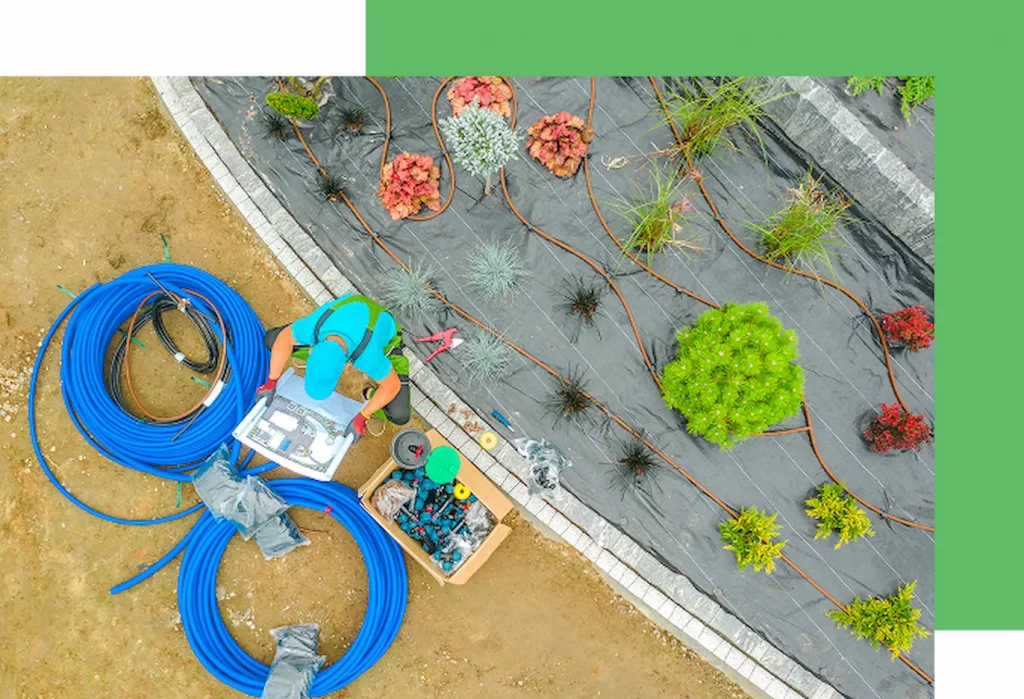

Years of experience designing and installing irrigation systems throughout Butte County, including the Chico area, ensures a tailored fit for every lawn and garden. From planning optimal sprinkler system layouts and configuring spray nozzles to installing drip irrigation tailored to plant root zones, every component—piping, valves, water-pressure calibration, and smart controller setup—is handled with precision. The result: even coverage, properly hydrated landscapes, and enhanced water efficiency through smart controls.

Early detection and prompt repair preserve system efficiency—preventing broken sprinkler heads, leaking valves, low water pressure, or clogged nozzles from escalating into dry patches or water waste. Experienced technicians diagnose and fix common issues like pipes, controllers, and malfunctioning zones. Regular spring start-up, leak detection, and seasonal maintenance minimize repairs and reduce utility costs, delivering a healthier, greener landscape over the long term.
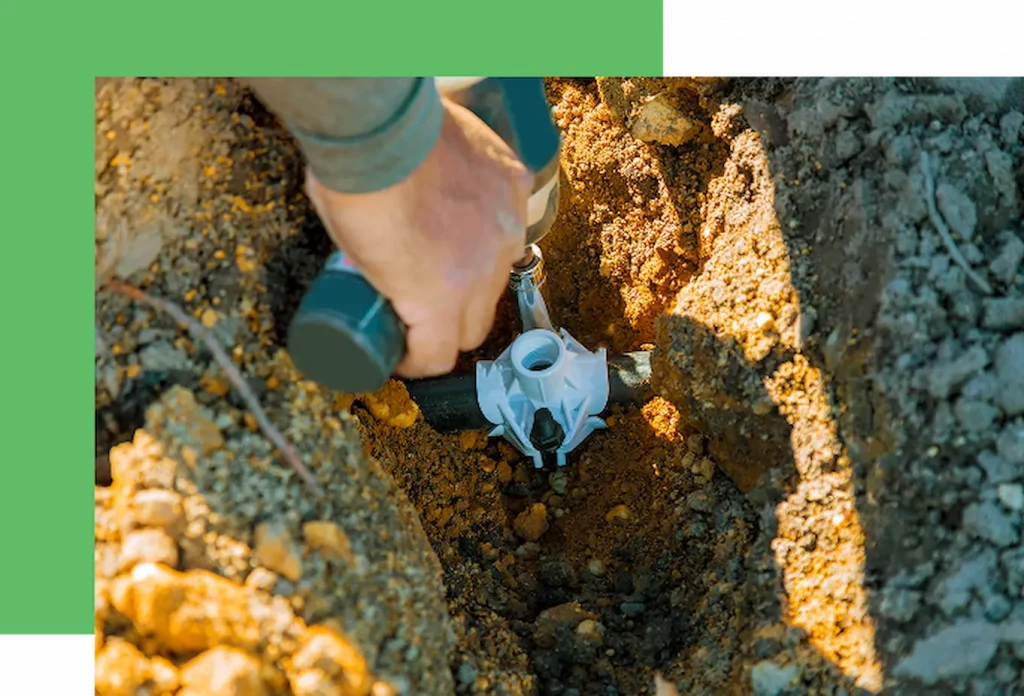
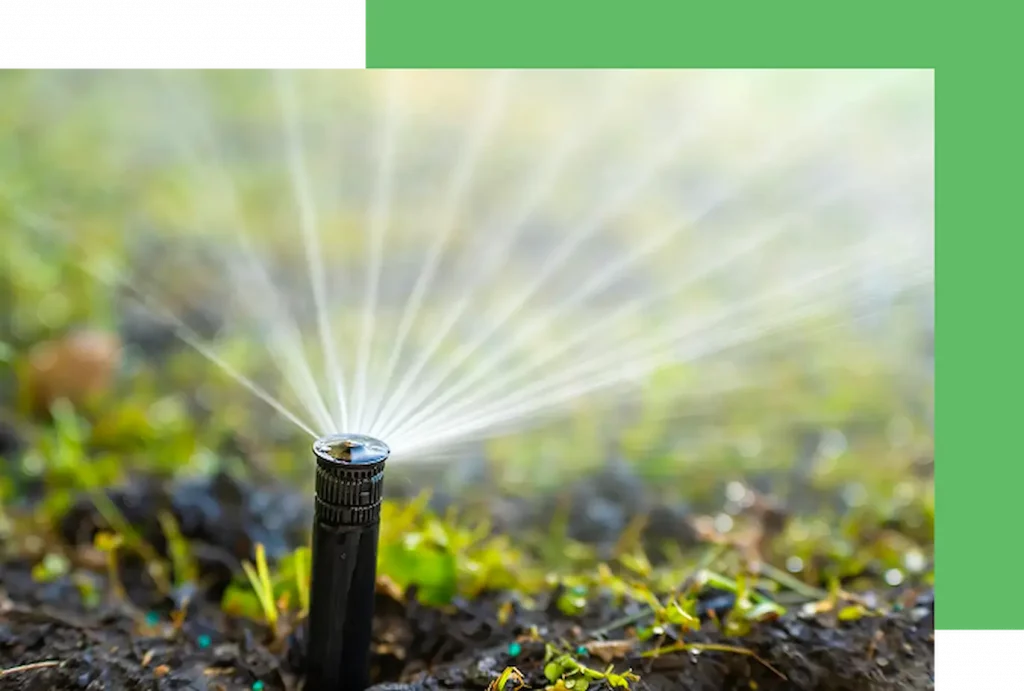

Clogged or damaged sprinkler heads often lead to uneven water distribution, low water pressure, puddling, or increased water bills. Our team inspects and replaces faulty heads, installs high-efficiency nozzles, and adds check valves to prevent low-head drainage and conserve resources. Whether adjusting spray patterns or replacing damaged heads, each repair restores proper coverage and prevents water waste.

Protect irrigation systems from freeze damage with expert seasonal care. Winterizing involves shutting off the water, draining pipes and backflow preventers, blowing out sprinkler lines, and insulating above-ground components to prevent burst pipes. Regular spring start-ups, leak checks, and pressure calibrations ensure even coverage and prolong system lifespan—reducing costly repairs and maintaining efficient hydration .
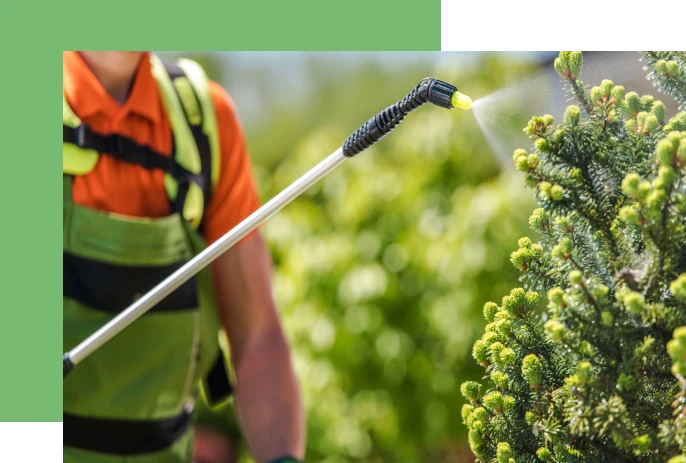
At Inside Out Landscaping & Janitorial, every irrigation challenge is unique—just like your property. Whether you’re planning a full system installation or simple seasonal maintenance, these FAQs address common questions to help you make confident decisions. We’re here to keep your outdoor spaces both hydrated and high-performing.
Yes—drip irrigation attaches easily to your current system and operates independently. It uses separate zones with pressure regulators, filters, and valves to ensure efficient water delivery straight to plant roots—ideal for garden beds, planters, and delicate plantings compared to overhead spray.
Smart controllers paired with drip emitters can reduce water usage by 30–50%, and even up to 70% in targeted areas . These systems automatically adapt schedules based on weather and moisture—no wasted water or manual adjustments needed.
Winterization should be completed before temperatures consistently dip below 65°F. This process includes shutting off water, draining or blow-out of lines, and insulating above-ground parts to prevent freeze damage—recommended each fall.
Actually, no. A well-designed irrigation system—with zone-specific programming and features like rain sensors—uses water more efficiently than manual methods. It applies the right amount to each area, stops during rain, and eliminates overwatering .
Most lawns and landscapes benefit from watering 2–3 times per week, with sessions of 10–20 minutes per zone—adjusted for wind, temperature, and plant type. Smart controls make seasonal adjustments automatically, eliminating guesswork.
Watch for signs like uneven watering, puddles around heads, or weak spray—all indicators of clogged or damaged sprinkler heads. Quick replacement with high-efficiency nozzles restores proper spray patterns and saves water.
Seasonal tune-ups prevent freeze damage by draining pipes and insulating above-ground components. This maintenance protects valves, prevents burst pipes, and extends system lifespan, essential for reliable performance in the Chico area and throughout Butte County’s variable climate.
Ideally, schedule inspections twice a year—in spring (for start-up, leak checks, nozzle calibration) and fall (for winterization). Routine checks catch minor issues before they become costly repairs .